The advent of 5G technology has been making waves in the tech world, with promises of faster speeds, lower latency, and greater connectivity. But what exactly is 5G, and how does it differ from its predecessors? In this article, we'll delve into the world of 5G, exploring its features, benefits, and what it means for the future of communication.
What is 5G?
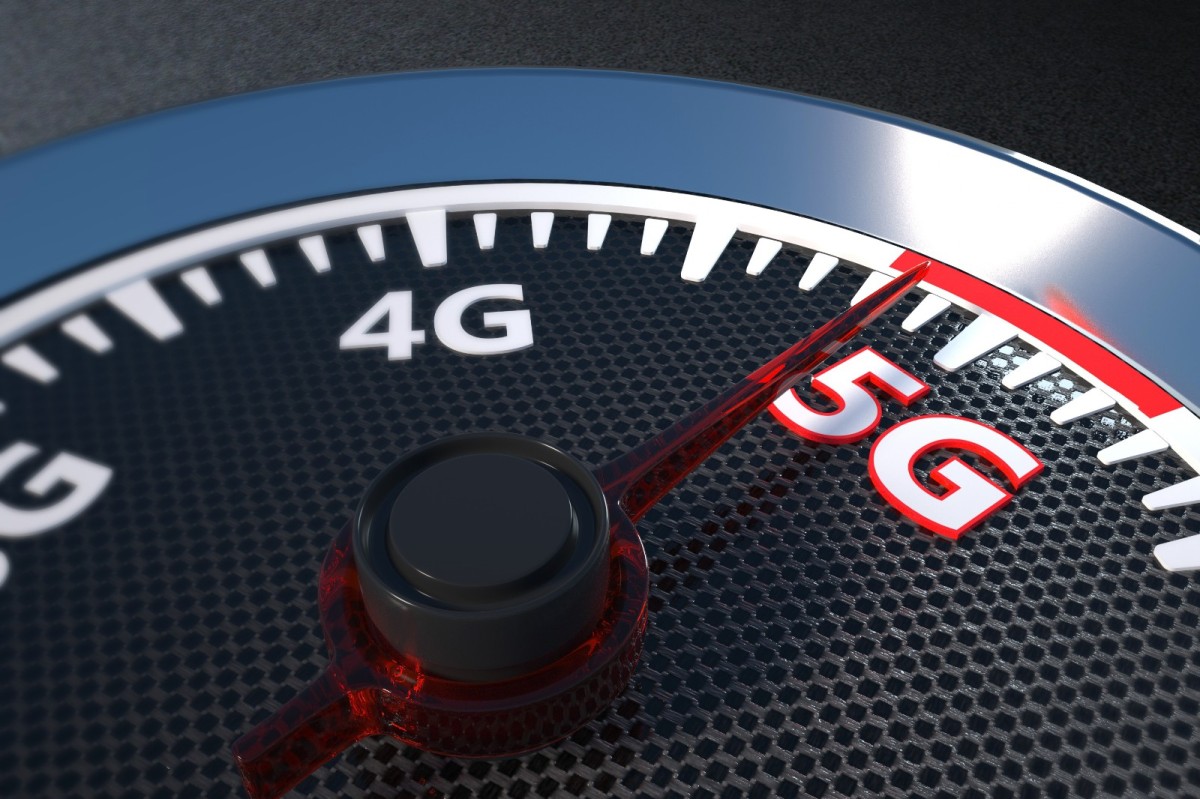
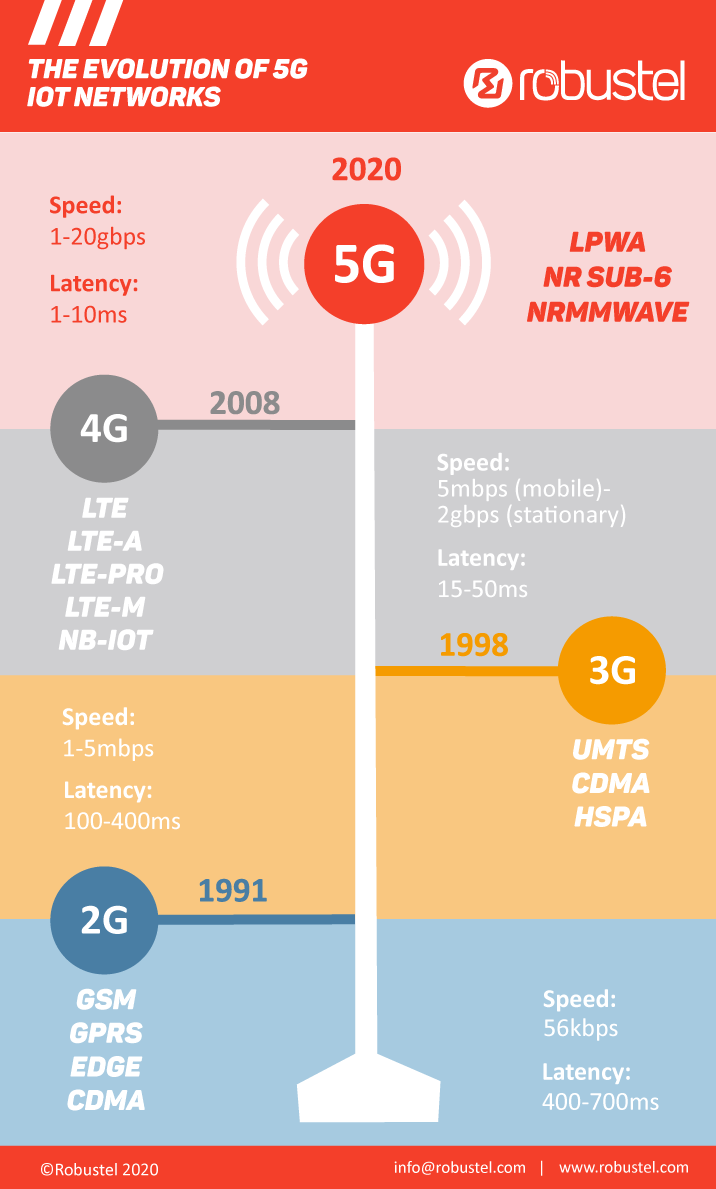
5G, or fifth-generation wireless technology, is the latest iteration of cellular network technology. It's designed to provide faster data speeds, lower latency, and greater connectivity than its predecessors, 4G and 3G. With 5G, users can expect speeds of up to 20 Gbps, which is significantly faster than the 100 Mbps offered by 4G. This means that 5G can support a vast array of applications, from enhanced mobile broadband to mission-critical communications.
Key Features of 5G
So, what sets 5G apart from other wireless technologies? Some of the key features of 5G include:
Faster speeds: 5G offers speeds of up to 20 Gbps, making it ideal for applications that require high-bandwidth, such as video streaming and online gaming.
Lower latency: 5G has a latency of as low as 1 ms, which is significantly lower than the 50 ms offered by 4G. This means that 5G can support real-time applications, such as virtual reality and remote healthcare.
Greater connectivity: 5G can support a vast array of devices, from smartphones and laptops to IoT devices and sensors.
Improved reliability: 5G is designed to provide ultra-reliable communications, making it ideal for mission-critical applications, such as public safety and emergency services.
Benefits of 5G
So, what are the benefits of 5G? Some of the advantages of 5G include:
Enhanced mobile broadband: 5G can provide faster and more reliable mobile broadband, making it ideal for applications such as video streaming and online gaming.
IoT support: 5G can support a vast array of IoT devices, making it ideal for applications such as smart cities and industrial automation.
Remote healthcare: 5G can support remote healthcare applications, such as telemedicine and remote monitoring.
Increased productivity: 5G can increase productivity by providing faster and more reliable communications, making it ideal for businesses and industries.
In conclusion, 5G is a game-changing technology that has the potential to revolutionize the way we communicate and interact with each other. With its faster speeds, lower latency, and greater connectivity, 5G can support a vast array of applications, from enhanced mobile broadband to mission-critical communications. As 5G continues to roll out across the globe, we can expect to see significant improvements in the way we live, work, and play.
Note: This article is inspired by the CNN article "What is 5G? Your questions answered" and has been rewritten to provide a comprehensive overview of 5G technology and its benefits.